Electric heating
The heat pump moves warmth inside.
It uses electricity to bring heat from outdoor air into your home, including in cold weather within the selected system’s capabilities.

Hybrid heating, explained
Hybrid heating is a big part of what we install at Comfy. It combines an electric heat pump with a fuel-fired furnace, with controls that choose the heat source for the conditions.
Also called dual fuel, hybrid heating can be a practical way to add heat-pump comfort while keeping gas or propane heat available.
Electric heating
It uses electricity to bring heat from outdoor air into your home, including in cold weather within the selected system’s capabilities.
Fuel-fired heating
The controls switch according to the setup. Heating demand, weather, equipment performance, and energy costs help determine those settings.
Summer cooling
The process reverses to cool your home. The same outdoor unit provides air conditioning in summer.
A ducted heat pump can also be installed with an air handler in an all-electric system. That is a different arrangement from the furnace-based hybrid setup described here. Compare ducted all-electric and cold-climate options.
There isn’t one outdoor temperature that is right for every hybrid system. Two questions matter: can the heat pump supply the heat your home needs, and what does that heat cost compared with the furnace?
Local weather, low-temperature equipment performance, and your electricity and fuel rates help answer them. Properly configured controls handle the changeover automatically, with settings that reflect the installation and your comfort priorities.
Automatic source switching is not the same as live utility-price optimization. We need the actual equipment, rates, and control settings to compare operating cost.
A hybrid changeout has two paths: keep a suitable furnace and add or replace the heat pump, or replace both the furnace and heat pump with a coordinated system. Both paths remain hybrid, combining electric heat-pump heating and cooling with fuel-fired furnace heat. The indoor coil and controls are part of the equipment match. Keeping the furnace depends on its condition, remaining life, airflow, and compatibility with the proposed equipment and controls.
Every Comfy hybrid installation includes a media air cleaner. It is part of the installation package, with no separate media-air-cleaner add-on charge.
New equipment can’t correct every problem in existing ducts. We also need to look at the rooms that run too hot or cold, return-air paths, and the airflow the equipment needs.
The NPF can modulate with a compatible standard 24-volt thermostat. Its installer-adjustable temperature and airflow settings help us tune the system to your home. Explore NPF comfort and control options
One hybrid approach we install pairs a Bosch heat pump with a Navien NPF hydro-furnace, where the equipment match is suitable for the home.
The Bosch heat pump provides electric heating and cooling. The NPF burns natural gas or propane to heat water inside the furnace, then transfers that warmth to air moving through your ducts.
We offer Bosch IDS ducted heat pumps and furnaces for suitable applications. Exact equipment matches and distributor availability determine the final options.
The specific heat pump, coil, furnace, and controls need to work together as a properly matched system. This guide does not certify a particular model combination.
Learn more from the source
Product information checked October 3, 2026. Features and requirements depend on the exact model and equipment match.
Explore the packages
Go deeper on the equipment, included controls and filtration, care, and warranty details.
Controls we often recommend
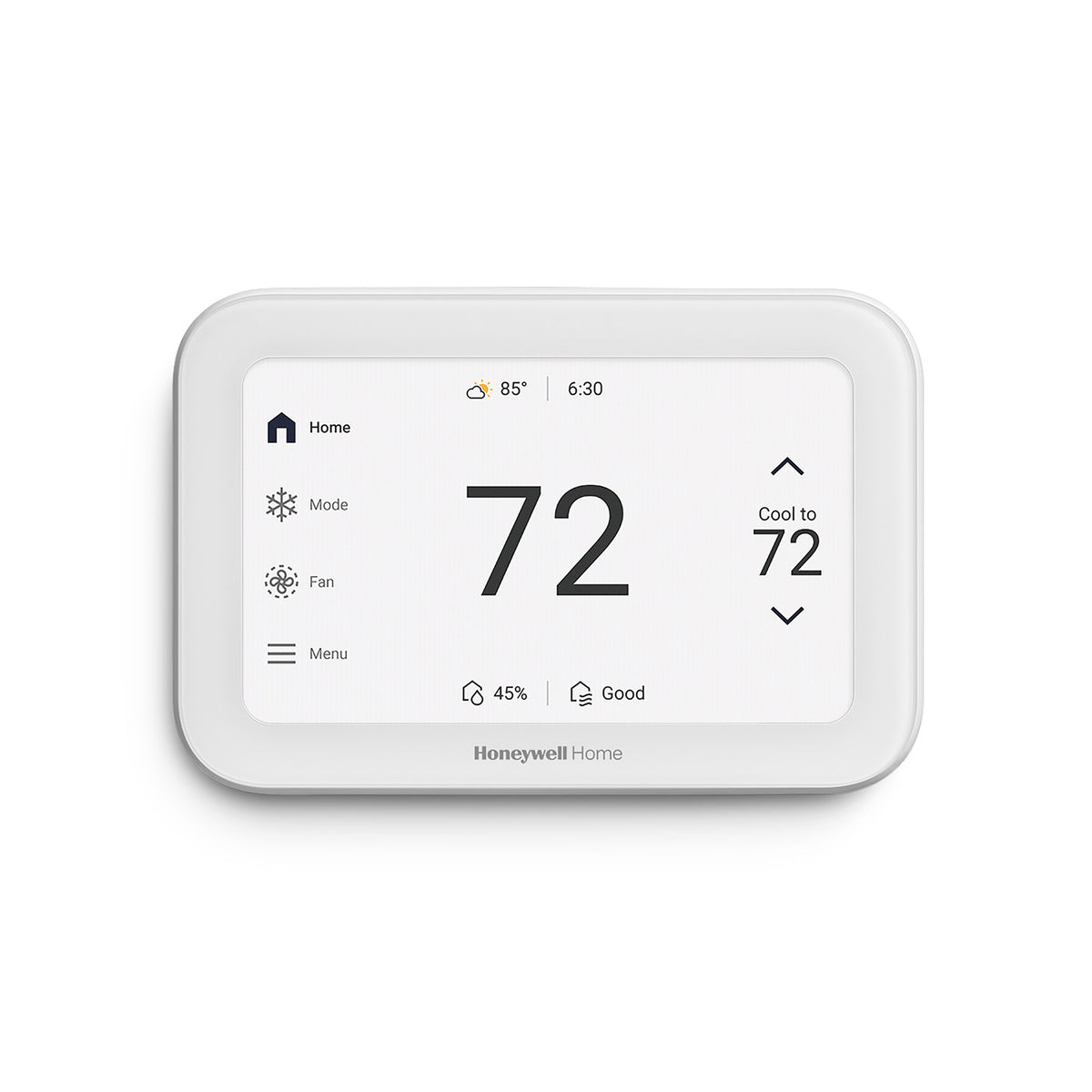
The Honeywell Home ElitePRO S1200 is one of our usual thermostat recommendations. We like its clean look, intuitive 5-inch touchscreen, and flexibility across a wide range of properly matched heating and cooling systems.
For a hybrid system, it can manage a heat pump with gas-furnace backup. We check the equipment, wiring, and staging requirements, then configure the changeover and lockout settings for the installation. An equipment interface module (EIM) or additional sensors may be needed for the selected setup.
An equipment interface module, or EIM, gives us a central connection point at the heating and cooling equipment for compatible humidifiers, dehumidifiers, ventilation, and wired sensors. The S1200 communicates with it wirelessly using RedLINK 3.0, while two wires provide the thermostat’s 24-volt power.
Where the existing cable is suitable, we can reuse those wires instead of pulling a new multi-wire cable through difficult walls or finished ceilings. Equipment and wired accessories still need local wiring; compatible wireless room and outdoor sensors connect through RedLINK.
Yes. The important question is how much heat a particular system can deliver at local winter temperatures. Its low-temperature performance needs to be compared with your home’s heating demand. Some homes suit an all-electric design; others suit a hybrid approach.
Operating cost depends on electricity and fuel rates, equipment performance, weather, and how the system is used. A useful comparison considers those details. A high efficiency rating alone doesn’t tell you what your bill will be.
Sometimes. Its condition, remaining life, airflow, controls, and compatibility with the proposed heat pump all need to be checked. Keeping it may make sense, but it isn’t a fit for every installation.
No. Auxiliary heat means supplemental or backup heat. Depending on the system, that may come from electric resistance heaters or a fuel-fired furnace. A Navien NPF supplies gas-fired heat, even though its blower and controls also use electricity.
Emergency heat is typically a thermostat setting that disables the heat pump and uses the backup source. Normal hybrid operation switches sources automatically. If you need emergency heat because the heat pump isn’t working, follow your system’s instructions and arrange service.
Tell us what’s uncomfortable, what you have, and what you’d like to improve.
For installation and replacement projects. After entering your address in booking, choose “Free hybrid system consultation.” Repair and diagnostic visits are separate.